Zodiac Sign Compatibility Chart: All 12 Signs
Introduction
A zodiac sign compatibility chart is a quick way to compare how two Sun signs are traditionally interpreted in Western astrology. It can help you explore romantic compatibility, friendship dynamics, communication styles, and areas where two people may naturally connect or need more understanding.
The important word is traditionally. Astrology is a symbolic belief system, not a scientifically validated method for predicting whether a relationship will succeed. A Sun-sign chart is therefore best used for reflection and entertainment rather than as a test of whether two people are destined to be together.
The chart below goes beyond simply labeling certain signs “good” or “bad.” It uses the traditional relationships between signs on the zodiac wheel: conjunction, trine, sextile, opposition, square, and adjustment relationships. In astrology, trines and sextiles are generally viewed as easier-flowing relationships, squares as more tension-producing, and oppositions as relationships involving polarity and balance.
For a deeper relationship reading, however, Sun signs are only the starting point. Astrologers who practice synastry compare two complete birth charts, including planets, houses, angles, and aspects between the charts.
Table of Contents
- Zodiac Sign Compatibility Chart
- How This Compatibility Chart Works
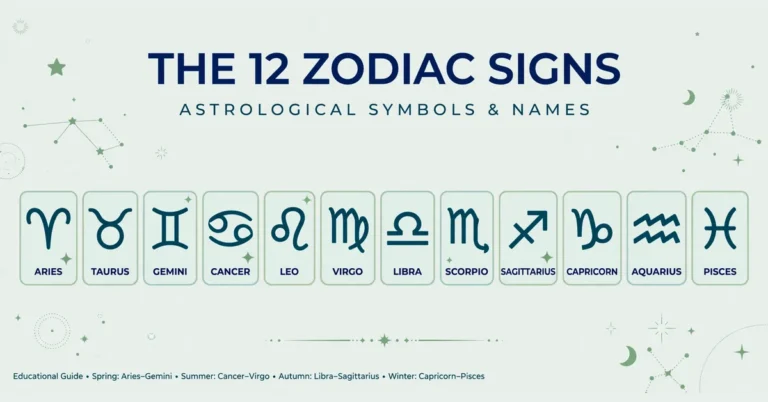
- The 12 Zodiac Signs: Elements and Modalities
- Aries Compatibility
- Taurus Compatibility
- Gemini Compatibility
- Cancer Compatibility
- Leo Compatibility
- Virgo Compatibility
- Libra Compatibility
- Scorpio Compatibility
- Sagittarius Compatibility
- Capricorn Compatibility
- Aquarius Compatibility
- Pisces Compatibility
- How Zodiac Compatibility Works
- Fire, Earth, Air, and Water Compatibility
- Opposite Zodiac Signs
- Same-Sign Relationships
- Is Sun Sign Compatibility Enough?
- What Is Synastry in Astrology?
- Can Challenging Zodiac Sign Pairings Have a Good Relationship?
- How to Use a Zodiac Sign Compatibility Chart
- Conclusion
- FAQs
- Sources and Methodology
Zodiac Sign Compatibility Chart
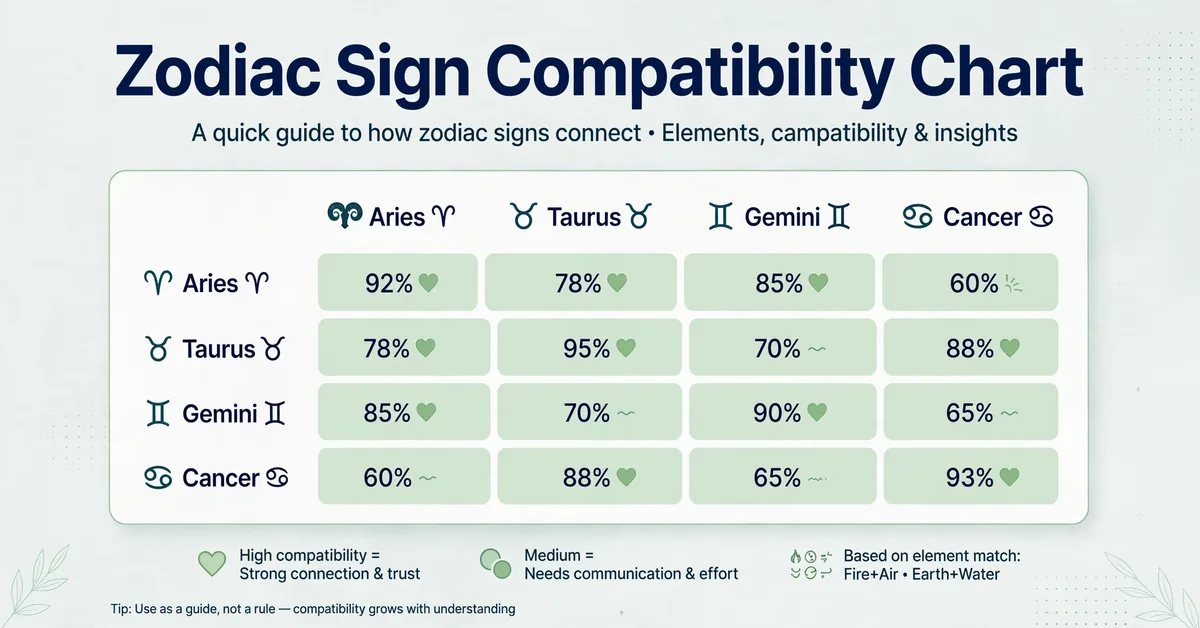
The following chart gives a complete Sun-sign comparison framework for all 12 zodiac signs.
Rather than pretending that a pairing is simply “compatible” or “incompatible,” the chart separates sign relationships into four broad categories:
- Same sign: the two people share the same Sun sign.
- Traditionally easier: signs connected by a trine or sextile on the zodiac wheel.
- Mixed or complementary: opposite signs, which traditionally combine polarity, attraction, and tension.
- More challenging: signs separated by a square.
- Adjustment: signs that form quincunx or semisextile relationships and may require more adaptation.
These categories describe traditional astrological symbolism. They are not relationship scores or scientific measurements.
| Zodiac Sign | Element | Modality | Same Sign | Traditionally Easier | Mixed / Opposite | More Challenging | Adjustment Pairings |
|---|---|---|---|---|---|---|---|
| Aries | Fire | Cardinal | Aries | Gemini, Leo, Sagittarius, Aquarius | Libra | Cancer, Capricorn | Taurus, Virgo, Scorpio, Pisces |
| Taurus | Earth | Fixed | Taurus | Cancer, Virgo, Capricorn, Pisces | Scorpio | Leo, Aquarius | Aries, Gemini, Libra, Sagittarius |
| Gemini | Air | Mutable | Gemini | Aries, Leo, Libra, Aquarius | Sagittarius | Virgo, Pisces | Taurus, Cancer, Scorpio, Capricorn |
| Cancer | Water | Cardinal | Cancer | Taurus, Virgo, Scorpio, Pisces | Capricorn | Aries, Libra | Gemini, Leo, Sagittarius, Aquarius |
| Leo | Fire | Fixed | Leo | Aries, Gemini, Libra, Sagittarius | Aquarius | Taurus, Scorpio | Cancer, Virgo, Capricorn, Pisces |
| Virgo | Earth | Mutable | Virgo | Taurus, Cancer, Scorpio, Capricorn | Pisces | Gemini, Sagittarius | Aries, Leo, Libra, Aquarius |
| Libra | Air | Cardinal | Libra | Gemini, Leo, Sagittarius, Aquarius | Aries | Cancer, Capricorn | Taurus, Virgo, Scorpio, Pisces |
| Scorpio | Water | Fixed | Scorpio | Cancer, Virgo, Capricorn, Pisces | Taurus | Leo, Aquarius | Aries, Gemini, Libra, Sagittarius |
| Sagittarius | Fire | Mutable | Sagittarius | Aries, Leo, Libra, Aquarius | Gemini | Virgo, Pisces | Taurus, Cancer, Scorpio, Capricorn |
| Capricorn | Earth | Cardinal | Capricorn | Taurus, Virgo, Scorpio, Pisces | Cancer | Aries, Libra | Gemini, Leo, Sagittarius, Aquarius |
| Aquarius | Air | Fixed | Aquarius | Aries, Gemini, Libra, Sagittarius | Leo | Taurus, Scorpio | Cancer, Virgo, Capricorn, Pisces |
| Pisces | Water | Mutable | Pisces | Taurus, Cancer, Scorpio, Capricorn | Virgo | Gemini, Sagittarius | Aries, Leo, Libra, Aquarius |
Important note about the chart
This is a sign-relationship chart, not a prediction of relationship success.
A trine or sextile does not automatically mean two people will have a healthy relationship. Likewise, a square or opposition does not mean a relationship will fail. In astrology, these relationships describe different patterns of ease, tension, polarity, and adjustment.
The complete birth charts can change the interpretation considerably.

How This Compatibility Chart Works
The chart is based on the position of signs around the 12-part zodiac wheel.
For example:
- Aries and Leo are four signs apart in the zodiac and form a trine.
- Aries and Gemini form a sextile.
- Aries and Cancer form a square.
- Aries and Libra form an opposition.
- Aries and Taurus form a semisextile.
- Aries and Virgo form a quincunx.
These angular relationships are commonly used in astrology to interpret how signs or planets interact. Major aspects include the conjunction at 0°, sextile at 60°, square at 90°, trine at 120°, and opposition at 180°.
What “traditionally easier” means
The traditionally easier category includes trines and sextiles.
In astrology, trines are generally interpreted as naturally flowing connections, while sextiles are associated with opportunities for cooperation and constructive interaction.
What “mixed / opposite” means
Opposite signs sit 180° apart.
They can represent strong differences as well as complementary qualities. An opposition is therefore not automatically negative. In synastry, oppositions can create awareness of differences and a need to find balance.
What “more challenging” means
Square relationships occur at 90°.
Astrologers traditionally associate squares with tension, friction, and areas that require effort. That doesn’t make them automatically unhealthy. In relationship astrology, tension can sometimes encourage growth, awareness, and problem-solving.
What “adjustment” means
Semisextile and quincunx relationships do not fit neatly into the traditional harmonious-versus-challenging model.
Astrologers may interpret these pairings as requiring adjustment, translation, or greater awareness of differences.
This is one reason it is misleading to label any zodiac sign as simply “incompatible.”
The 12 Zodiac Signs: Elements and Modalities
Every sign in Western astrology belongs to one of four elements and one of three modalities.
The four elements are:
- Fire
- Earth
- Air
- Water
The three modalities are:
- Cardinal
- Fixed
- Mutable
Together, an element and modality give each sign its basic astrological classification.
| Zodiac Sign | Element | Modality | Traditional Keywords |
|---|---|---|---|
| Aries | Fire | Cardinal | initiative, action, independence |
| Taurus | Earth | Fixed | stability, consistency, persistence |
| Gemini | Air | Mutable | communication, curiosity, flexibility |
| Cancer | Water | Cardinal | nurturing, security, sensitivity |
| Leo | Fire | Fixed | creativity, confidence, expression |
| Virgo | Earth | Mutable | analysis, organization, practicality |
| Libra | Air | Cardinal | partnership, balance, diplomacy |
| Scorpio | Water | Fixed | intensity, depth, loyalty |
| Sagittarius | Fire | Mutable | exploration, freedom, optimism |
| Capricorn | Earth | Cardinal | structure, discipline, long-term goals |
| Aquarius | Air | Fixed | independence, ideas, individuality |
| Pisces | Water | Mutable | imagination, empathy, intuition |
These keywords describe common astrological interpretations, not scientifically established personality traits.
Aries Compatibility
Aries is a cardinal fire sign. In Western astrology, it is commonly associated with initiative, independence, directness, and action.
Traditionally easier matches
Aries forms trines with Leo and Sagittarius, two other fire signs. Astrology traditionally interprets these connections as energetic and naturally expressive.
Aries also forms sextiles with Gemini and Aquarius, both air signs. These combinations are often interpreted as encouraging movement, ideas, and independence.
Mixed or opposite match
Libra is Aries’ opposite sign.
Aries is traditionally associated with individual initiative, while Libra emphasizes partnership and balance. The contrast can create tension, but it can also highlight complementary qualities.
More challenging matches
Cancer and Capricorn form squares with Aries.
Cancer may emphasize emotional security, while Capricorn may emphasize structure and long-term responsibility. Aries’ direct approach can clash with either style when expectations differ.
Adjustment pairings
Taurus, Virgo, Scorpio, and Pisces have quincunx or semisextile relationships with Aries.
These pairings may require more adjustment because the signs approach life from noticeably different perspectives.
Taurus Compatibility
Taurus is a fixed earth sign traditionally associated with stability, consistency, patience, comfort, and persistence.
Traditionally easier matches
Taurus forms trines with Virgo and Capricorn, creating a same-element earth relationship in traditional astrology.
It also forms sextiles with Cancer and Pisces, connecting earth with water.
Mixed or opposite match
Scorpio is Taurus’ opposite sign.
Both signs are fixed, which can symbolize determination and loyalty but may also create stubbornness when neither person wants to change direction.
More challenging matches
Leo and Aquarius square Taurus.
All three are fixed signs, so persistence can become either a strength or a source of conflict.
Adjustment pairings
Aries, Gemini, Libra, and Sagittarius form adjustment relationships with Taurus.
Their approaches may differ enough that both people need to make room for different priorities.
Gemini Compatibility
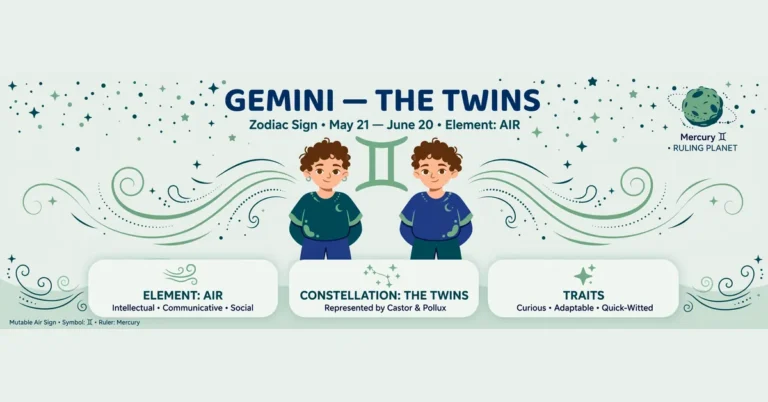
Gemini is a mutable air sign traditionally associated with communication, curiosity, variety, learning, and adaptability.
Traditionally easier matches
Gemini forms trines with Libra and Aquarius, its fellow air signs.
It forms sextiles with Aries and Leo, which can bring an energetic connection between air and fire.
Mixed or opposite match
Sagittarius is Gemini’s opposite sign.
Gemini traditionally emphasizes information, variety, and immediate curiosity, while Sagittarius is associated with exploration, broader meaning, and belief.
More challenging matches
Virgo and Pisces square Gemini.
Gemini and Virgo share traditional Mercury rulership, but their approaches can differ. Pisces and Gemini may also process information and emotion differently.
Adjustment pairings
Taurus, Cancer, Scorpio, and Capricorn may require more adjustment with Gemini because their traditional priorities differ from Gemini’s flexible, information-oriented style.
Cancer Compatibility
Cancer is a cardinal water sign traditionally associated with emotional security, nurturing, home, family, and sensitivity.
Traditionally easier matches
Cancer forms trines with Scorpio and Pisces, its fellow water signs.
It forms sextiles with Taurus and Virgo, creating traditional earth-water connections.
Mixed or opposite match
Capricorn is Cancer’s opposite sign.
Cancer is traditionally associated with home and emotional security, while Capricorn emphasizes structure, responsibility, and long-term achievement. The contrast can create either tension or balance.
More challenging matches
Aries and Libra square Cancer.
Aries may approach situations directly, while Cancer can prioritize emotional safety. Libra may seek balance and social harmony in ways that differ from Cancer’s more personal emotional focus.
Adjustment pairings
Gemini, Leo, Sagittarius, and Aquarius can require more adjustment because their traditional approaches differ from Cancer’s water-based emphasis.
Leo Compatibility
Leo is a fixed fire sign traditionally associated with creativity, confidence, warmth, self-expression, and loyalty.
Traditionally easier matches
Leo forms trines with Aries and Sagittarius.
It forms sextiles with Gemini and Libra, creating traditional fire-air connections.
Mixed or opposite match
Aquarius is Leo’s opposite sign.
Both are fixed signs, but Leo is traditionally associated with personal expression and warmth, while Aquarius emphasizes individuality, ideas, and broader social concerns.
More challenging matches
Taurus and Scorpio square Leo.
The fixed nature shared by these signs can create determination and loyalty, but also resistance to compromise.
Adjustment pairings
Cancer, Virgo, Capricorn, and Pisces may require additional adjustment because their traditional styles differ from Leo’s expressive fire.
Virgo Compatibility
Virgo is a mutable earth sign traditionally associated with analysis, organization, practical problem-solving, and attention to detail.
Traditionally easier matches
Virgo forms trines with Taurus and Capricorn, its fellow earth signs.
It forms sextiles with Cancer and Scorpio, creating earth-water connections.
Mixed or opposite match
Pisces is Virgo’s opposite sign.
Virgo traditionally emphasizes analysis and practical detail, while Pisces is associated with imagination, intuition, and emotional sensitivity.
More challenging matches
Gemini and Sagittarius square Virgo.
Virgo and Gemini share Mercury as their traditional ruler, but Virgo generally emphasizes precision while Gemini emphasizes variety. Sagittarius can prefer broader exploration over detailed analysis.
Adjustment pairings
Aries, Leo, Libra, and Aquarius may require more adaptation because their traditional approaches differ from Virgo’s analytical earth style.
Libra Compatibility
Libra is a cardinal air sign traditionally associated with partnership, diplomacy, balance, aesthetics, and social connection.
Traditionally easier matches
Libra forms trines with Gemini and Aquarius.
It forms sextiles with Leo and Sagittarius, connecting air with fire.
Mixed or opposite match
Aries is Libra’s opposite sign.
Aries emphasizes independence and direct action, while Libra emphasizes partnership and balance. This contrast can create both attraction and friction.
More challenging matches
Cancer and Capricorn square Libra.
Cancer may prioritize emotional security, while Capricorn emphasizes responsibility and structure. Libra may approach both areas through negotiation and compromise.
Adjustment pairings
Taurus, Virgo, Scorpio, and Pisces can require more adjustment with Libra because their traditional priorities differ.
Scorpio Compatibility
Scorpio is a fixed water sign traditionally associated with emotional depth, intensity, privacy, loyalty, and transformation.
Traditionally easier matches
Scorpio forms trines with Cancer and Pisces, its fellow water signs.
It forms sextiles with Virgo and Capricorn, creating traditional earth-water connections.
Mixed or opposite match
Taurus is Scorpio’s opposite sign.
Both are fixed signs, so they may share determination while approaching security, trust, possessions, and emotional expression differently.
More challenging matches
Leo and Aquarius square Scorpio.
All three are fixed signs, so disagreements can become difficult when neither person wants to compromise.
Adjustment pairings
Aries, Gemini, Libra, and Sagittarius can require more adaptation because their traditional styles differ from Scorpio’s emotionally intense water symbolism.
Sagittarius Compatibility
Sagittarius is a mutable fire sign traditionally associated with exploration, learning, optimism, independence, and adventure.
Traditionally easier matches
Sagittarius forms trines with Aries and Leo.
It forms sextiles with Libra and Aquarius, connecting fire with air.
Mixed or opposite match
Gemini is Sagittarius’ opposite sign.
Gemini traditionally explores many ideas and details, while Sagittarius is associated with broader themes, beliefs, exploration, and meaning.
More challenging matches
Virgo and Pisces square Sagittarius.
Virgo may emphasize details and practical organization, while Pisces may prioritize emotional or intuitive experience.
Adjustment pairings
Taurus, Cancer, Scorpio, and Capricorn can require additional adjustment because their traditional priorities may differ from Sagittarius’ emphasis on freedom and exploration.
Capricorn Compatibility
Capricorn is a cardinal earth sign traditionally associated with structure, responsibility, ambition, discipline, and long-term goals.
Traditionally easier matches
Capricorn forms trines with Taurus and Virgo.
It forms sextiles with Scorpio and Pisces, connecting earth with water.
Mixed or opposite match
Cancer is Capricorn’s opposite sign.
Cancer traditionally emphasizes emotional security and home, while Capricorn emphasizes structure, responsibility, and achievement.
More challenging matches
Aries and Libra square Capricorn.
Aries may prefer immediate action, while Libra may focus on negotiation and partnership. Capricorn often approaches commitments through planning and long-term responsibility.
Adjustment pairings
Gemini, Leo, Sagittarius, and Aquarius may require more adjustment because their traditional approaches differ from Capricorn’s structured earth style.
Aquarius Compatibility
Aquarius is a fixed air sign traditionally associated with independence, ideas, individuality, friendship, and innovation.
Traditionally easier matches
Aquarius forms trines with Gemini and Libra.
It forms sextiles with Aries and Sagittarius, connecting air with fire.
Mixed or opposite match
Leo is Aquarius’ opposite sign.
Leo traditionally emphasizes personal expression, while Aquarius is associated with independence, ideas, and broader social perspectives.
More challenging matches
Taurus and Scorpio square Aquarius.
All three are fixed signs, so persistence can create loyalty but also resistance to changing course.
Adjustment pairings
Cancer, Virgo, Capricorn, and Pisces can require more adjustment because their traditional priorities differ from Aquarius’ air-based style.
Pisces Compatibility
Pisces is a mutable water sign traditionally associated with imagination, compassion, intuition, sensitivity, and emotional depth.
Traditionally easier matches
Pisces forms trines with Cancer and Scorpio, its fellow water signs.
It forms sextiles with Taurus and Capricorn, connecting water with earth.
Mixed or opposite match
Virgo is Pisces’ opposite sign.
Virgo traditionally emphasizes practical detail and analysis, while Pisces is associated with intuition, imagination, and emotional sensitivity.
More challenging matches
Gemini and Sagittarius square Pisces.
Gemini may prioritize variety and information, while Sagittarius emphasizes freedom and broader exploration. Pisces may approach experiences more emotionally or intuitively.
Adjustment pairings
Aries, Leo, Libra, and Aquarius may require more adaptation because their traditional styles differ from Pisces’ water symbolism.
How Zodiac Compatibility Works
A zodiac compatibility chart becomes more useful when you understand the three main building blocks: elements, modalities, and sign relationships.
Elements
The four elements are:
- Fire: Aries, Leo, Sagittarius
- Earth: Taurus, Virgo, Capricorn
- Air: Gemini, Libra, Aquarius
- Water: Cancer, Scorpio, Pisces
Western astrology commonly uses these four elements to describe broad qualities associated with the signs.
Modalities
The three modalities are:
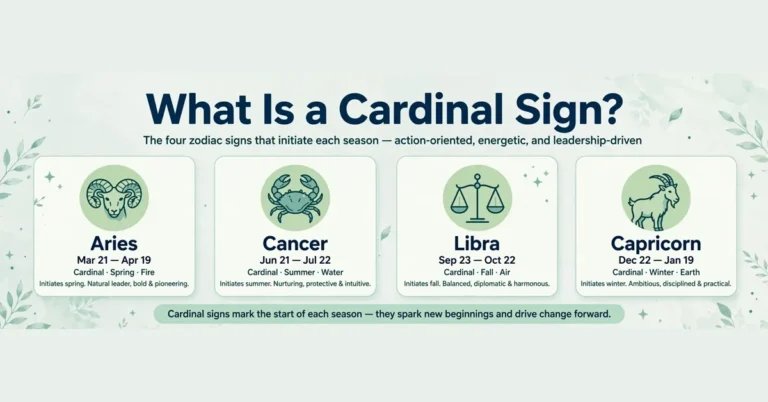
- Cardinal: Aries, Cancer, Libra, Capricorn
- Fixed: Taurus, Leo, Scorpio, Aquarius
- Mutable: Gemini, Virgo, Sagittarius, Pisces
Cardinal signs are traditionally associated with initiation, fixed signs with persistence, and mutable signs with adaptation.
Why modality matters
Element tells you one part of the sign’s symbolic style. Modality adds another.
For example:
- Aries = cardinal fire
- Leo = fixed fire
- Sagittarius = mutable fire
All three are fire signs, but they express that element differently within astrology.
This is why simply saying “fire signs are compatible with fire signs” is too simplistic.
Fire, Earth, Air, and Water Compatibility
Fire + Fire
Fire signs are Aries, Leo, and Sagittarius.
A fire-fire pairing is traditionally interpreted as energetic, expressive, and action-oriented. Two people may encourage each other’s enthusiasm, but they may also compete for control or attention.
Fire + Air
Fire and air are commonly treated as complementary elements in astrology.
Fire is associated with action and enthusiasm, while air is associated with ideas, communication, and mental activity.
This combination can therefore be interpreted as a relationship between inspiration and action.
Earth + Earth
Taurus, Virgo, and Capricorn are earth signs.
Earth-earth pairings are traditionally associated with stability, practicality, and shared interest in building something dependable.
The potential downside is excessive caution, routine, or resistance to change.
Earth + Water
Earth and water are traditionally considered complementary.
Earth symbolizes grounding and practical structure, while water symbolizes emotion and sensitivity.
Astrologers may therefore interpret earth-water relationships as potentially supportive when the two people appreciate their different strengths.
Air + Air
Gemini, Libra, and Aquarius are air signs.
Air-air relationships can emphasize conversation, ideas, friendship, curiosity, and mental stimulation.
The challenge may be staying connected to emotional or practical needs when the relationship becomes too focused on ideas.
Water + Water
Cancer, Scorpio, and Pisces are water signs.
Water-water relationships can emphasize emotional understanding, intuition, vulnerability, and depth.
The potential challenge is that two highly sensitive approaches can sometimes amplify emotional reactions.
These are broad astrological interpretations, not scientific findings about relationship behavior.
Opposite Zodiac Signs
Each zodiac sign has one opposite sign:
| Zodiac Sign | Opposite Sign |
|---|---|
| Aries | Libra |
| Taurus | Scorpio |
| Gemini | Sagittarius |
| Cancer | Capricorn |
| Leo | Aquarius |
| Virgo | Pisces |
Opposite signs are separated by 180° on the zodiac wheel.
They should not automatically be called “incompatible.” In astrology, an opposition is traditionally associated with polarity, contrast, awareness, and the need to balance two different approaches.
For example:
Aries + Libra
Aries is traditionally associated with independence and direct action. Libra is associated with partnership, balance, and diplomacy.
That difference can create friction, but it can also represent complementary qualities.
Similarly:
Taurus + Scorpio
Both are fixed signs, but Taurus is an earth sign while Scorpio is a water sign. Their differences may create tension around control, security, trust, and change, while their shared fixed quality can contribute to persistence.
So an opposite-sign relationship is better understood as polarized or mixed, rather than automatically good or bad.
Same-Sign Relationships
Two people with the same Sun sign share the same basic sign symbolism.
Astrologically, this can make certain values or tendencies easier to recognize in each other.
For example:
- Aries + Aries may share initiative and directness.
- Taurus + Taurus may share a preference for stability.
- Gemini + Gemini may enjoy constant conversation and variety.
- Cancer + Cancer may strongly value emotional security.
- Leo + Leo may share creativity and self-expression.
- Virgo + Virgo may appreciate organization and practical planning.
- Libra + Libra may value partnership and harmony.
- Scorpio + Scorpio may share emotional intensity and privacy.
- Sagittarius + Sagittarius may value freedom and exploration.
- Capricorn + Capricorn may focus strongly on goals and responsibility.
- Aquarius + Aquarius may value independence and individuality.
- Pisces + Pisces may connect through imagination and sensitivity.
The same qualities that create familiarity can also become exaggerated.
For example, two fixed signs may both resist changing their position, while two mutable signs may have difficulty settling on a firm direction.
The complete birth charts are therefore more informative than the Sun sign alone.
Is Sun Sign Compatibility Enough?
For a quick astrology overview, yes. For a complete compatibility reading, no.
A Sun-sign chart can provide a simple starting point, but it only describes one placement in a birth chart.
A deeper astrological comparison may examine:
- Sun
- Moon
- Mercury
- Venus
- Mars
- Jupiter
- Saturn
- Ascendant
- Descendant
- Houses
- Planetary aspects
- Other relevant chart points
Astrology.com similarly describes synastry as a comparison involving signs, elements, planets, houses, and aspects.
Why the Moon matters
In astrology, the Moon is commonly associated with emotional needs, habits, comfort, and ways of responding.
Two people with supposedly difficult Sun signs may have supportive Moon placements that change the overall interpretation.
Why Venus matters
Venus is traditionally associated with affection, attraction, relationships, pleasure, and values.
For a relationship-focused reading, Venus can therefore provide information that a Sun-sign comparison cannot.
Why Mars matters
Mars is traditionally associated with drive, desire, motivation, passion, and how a person pursues what they want.
Why Mercury matters
Mercury is commonly considered when astrologers interpret communication, thinking, and information exchange.
Why the Ascendant matters
The Ascendant, or rising sign, is the sign rising on the eastern horizon at birth. Because determining it depends on birth time and location, it can add another layer to relationship-chart interpretation.
What Is Synastry in Astrology?
Synastry is an astrological technique that compares two birth charts to examine how their placements interact.
Instead of asking only:
“Are Aries and Cancer compatible?”
synastry asks more detailed questions, such as:
- Where is each person’s Moon?
- How does one person’s Venus interact with the other’s Mars?
- Are the Suns connected by an aspect?
- Does one person’s Saturn form an important aspect to the other’s personal planets?
- How do the Ascendants interact?
- Which houses do one person’s planets fall into in the other person’s chart?
Astrologers use these relationships to build a more detailed interpretation than a Sun-sign compatibility chart can provide.
Major aspects in synastry
| Aspect | Approximate Angle | Traditional Interpretation |
|---|---|---|
| Conjunction | 0° | Strong blending or concentration |
| Sextile | 60° | Opportunity and cooperation |
| Square | 90° | Tension and challenge |
| Trine | 120° | Ease and natural flow |
| Opposition | 180° | Polarity, contrast, and balance |
These meanings are traditional astrological interpretations. The same aspect can behave differently depending on the planets, signs, houses, and wider chart context.
For example
A Venus-Mars connection may be interpreted differently from a Saturn-Moon connection.
Likewise, a square involving Venus is not interpreted in exactly the same way as a square involving Saturn.
This is why a full synastry interpretation cannot be reduced to a single compatibility percentage.
Can Challenging Zodiac Sign Pairings Have a Good Relationship?
Yes.
A square, opposition, or adjustment relationship does not mean two people cannot have a healthy relationship.
Astrology itself does not provide a scientifically validated rule that certain Sun-sign combinations must succeed or fail.
A relationship involves many real-world factors that a birth chart cannot measure reliably, including:
- communication
- trust
- emotional maturity
- shared values
- boundaries
- financial expectations
- life goals
- conflict resolution
- mutual respect
- commitment
- personal circumstances
For example, Leo and Scorpio form a square by sign, but that does not tell you whether two individual people will communicate honestly, respect each other’s boundaries, or build a stable relationship.
Likewise, two people with traditionally harmonious signs can still have serious relationship problems.
The most useful way to treat a compatibility chart is as a framework for reflection and conversation, not a verdict.
How to Use a Zodiac Sign Compatibility Chart
1. Start with both Sun signs
Find your sign and your partner’s sign in the chart.
For example, if one person is Taurus and the other is Virgo, they share an earth-element trine relationship.
2. Compare the elements
Ask whether the signs are:
- Fire
- Earth
- Air
- Water
Elemental relationships provide one broad layer of traditional astrology.
3. Compare the modalities
Check whether each sign is:
- Cardinal
- Fixed
- Mutable
This can explain why two signs with the same element may still express that element differently.
4. Check the sign relationship
Look at whether the two signs form a:
- Conjunction
- Sextile
- Square
- Trine
- Opposition
- Adjustment relationship
This is the main methodology used in the chart above.
5. Don’t treat the category as a score
A “traditionally easier” pairing is not automatically better than a challenging one.
Astrology traditionally gives different meanings to different kinds of relationships rather than assigning one universal score.
6. Look beyond the Sun signs
If you want a deeper astrology-based comparison, examine the Moon, Venus, Mars, Mercury, Ascendant, houses, and aspects in both birth charts.
7. Consider real-life compatibility
Most importantly, compare the actual qualities that make relationships work:
- Do you communicate well?
- Do you trust each other?
- Do your values align?
- Can you resolve disagreements?
- Do you respect boundaries?
- Do you want similar things from the relationship?
Those questions matter regardless of your zodiac signs.
What Information Is Needed for a Deeper Compatibility Reading?
A basic Sun-sign comparison only requires the two Sun signs.
A more detailed synastry comparison generally benefits from:
- Birth date
- Birth time
- Birth location
Accurate birth time is particularly useful when working with the Ascendant and houses.
If the birth time is unknown, an astrologer can still compare many planetary placements, but some chart factors may be uncertain.
Zodiac Compatibility vs. Real Relationship Compatibility
It is useful to keep two different ideas separate.
Astrological compatibility
This refers to symbolic relationships between signs, planets, houses, and aspects in astrology.
Real-world compatibility
This involves actual behavior and circumstances, including:
- honesty
- respect
- communication
- emotional safety
- shared goals
- reliability
- attraction
- financial expectations
- family expectations
- lifestyle
- willingness to compromise
A zodiac chart can be an interesting way to discuss relationship themes, but it cannot replace observing how two people actually treat each other.
Conclusion
A zodiac sign compatibility chart is a useful starting point for exploring traditional Western astrology, especially if you want a quick comparison between two Sun signs.
The 12 zodiac signs are organized by four elements, fire, earth, air, and water, and three modalities, cardinal, fixed, and mutable. Their positions around the zodiac wheel also create relationships such as trines, sextiles, squares, oppositions, and other angular connections.
These relationships are more useful than simply labeling one sign “compatible” and another “incompatible.” A trine or sextile is traditionally associated with greater ease, while a square can highlight tension and an opposition can emphasize polarity and balance. None of these categories guarantees a successful or unsuccessful relationship.
There is also no single perfect zodiac match for everyone.
For a more detailed astrology-based comparison, synastry examines two complete birth charts rather than relying only on Sun signs. Astrologers may consider the Moon, Venus, Mars, Mercury, Ascendant, houses, and planetary aspects to create a broader interpretation.
Ultimately, the most useful way to use a compatibility chart is as a starting point for curiosity and self-reflection. Use the zodiac to explore possible themes, but judge a relationship by what happens in real life: communication, trust, respect, shared values, emotional maturity, and mutual effort.
FAQs
1. What is a zodiac sign compatibility chart?
A zodiac sign compatibility chart compares two or more zodiac signs using traditional astrological relationships. Common factors include elements, modalities, and the angular relationships between signs, such as trines, sextiles, squares, and oppositions.
A Sun-sign chart provides only a broad overview. A full synastry comparison examines two complete birth charts.
2. Which zodiac signs are most compatible?
There is no single universally accepted list of the “most compatible” zodiac signs.
In traditional Western astrology, signs connected by the same element, trines, and sextiles are often considered easier combinations. For example, Aries, Leo, and Sagittarius share the fire element, while Gemini, Libra, and Aquarius share air.
However, complete compatibility depends on more than the Sun signs.
3. What are the least compatible zodiac signs?
There is no scientifically established list of least-compatible zodiac signs.
In traditional astrology, square relationships are often interpreted as more challenging because they can represent tension or conflicting approaches. Examples include Aries-Cancer, Taurus-Leo, Gemini-Virgo, and Leo-Scorpio.
A challenging astrological relationship does not mean two people cannot have a successful relationship.
4. Are opposite zodiac signs compatible?
Yes.
Opposite signs can be both challenging and complementary. The six opposite pairs are Aries-Libra, Taurus-Scorpio, Gemini-Sagittarius, Cancer-Capricorn, Leo-Aquarius, and Virgo-Pisces.
Astrologers often interpret oppositions as relationships involving polarity, contrast, and the need for balance.
5. Are same zodiac signs compatible?
Two people with the same Sun sign can be compatible because they share the same basic sign symbolism.
However, they can also amplify similar weaknesses. For example, two fixed signs may both resist change, while two mutable signs may both have difficulty settling on one direction.
The rest of each person’s birth chart can change the interpretation considerably.
6. Does zodiac compatibility predict whether a relationship will work?
No scientifically validated evidence establishes zodiac compatibility as a reliable predictor of relationship success.
Astrology can provide a traditional framework for discussing personality and relationship themes, but real compatibility depends on behavior, communication, values, trust, circumstances, and mutual effort.
7. Is Sun-sign compatibility enough?
Sun-sign compatibility is enough for a basic astrology overview, but not for a detailed compatibility reading.
Astrologers practicing synastry may compare the Moon, Mercury, Venus, Mars, Ascendant, houses, and aspects between two birth charts.
8. What is synastry compatibility?
Synastry is an astrological technique that compares two birth charts.
Instead of looking only at the zodiac signs of two Suns, synastry examines relationships between planets, signs, houses, angles, and other chart points.
9. Which zodiac sign is compatible with my sign?
Start by finding your sign in the chart above and compare it with your partner’s sign.
For a more detailed interpretation, look at the elements, modalities, and sign relationship first. Then consider the Moon, Venus, Mars, Ascendant, houses, and planetary aspects if you have both complete birth charts.
10. What zodiac elements are most compatible?
Traditional astrology commonly treats fire and air as complementary, as well as earth and water.
Fire signs are Aries, Leo, and Sagittarius. Earth signs are Taurus, Virgo, and Capricorn. Air signs are Gemini, Libra, and Aquarius. Water signs are Cancer, Scorpio, and Pisces.
These are broad astrological interpretations rather than scientific rules.
11. Does the Moon sign matter for compatibility?
In astrology, the Moon is traditionally associated with emotional needs, comfort, habits, and responses.
For that reason, astrologers may consider Moon-sign relationships when examining emotional compatibility. A Sun-sign pairing that looks challenging can be interpreted differently when the two Moon placements are considered.
12. Does Venus matter for love compatibility?
Yes, in astrology.
Venus is traditionally associated with affection, attraction, relationships, pleasure, and personal values. Astrologers therefore often examine Venus placements and Venus aspects when discussing romantic compatibility.
13. Does Mars matter for relationship compatibility?
In astrology, Mars is traditionally associated with drive, desire, motivation, passion, and action.
Mars can therefore be included in a synastry reading, especially when examining attraction and how two people pursue what they want.
14. What information do I need for a synastry chart?
For a detailed synastry chart, you generally need the birth date, birth time, and birth location for both people.
Birth time is especially useful for calculating the Ascendant and houses.
15. Can a challenging zodiac pairing still become a healthy relationship?
Yes.
A square, opposition, or adjustment relationship in a zodiac chart does not determine the quality of a real relationship.
Communication, trust, boundaries, emotional maturity, shared values, respect, and commitment are more directly relevant to how a relationship functions in everyday life.
Sources and Methodology
This article uses the Western 12-sign zodiac as its basic framework. Astrology.com describes the 12 signs through four elements and three modalities, while its current reference material also identifies the standard opposite-sign pairs.
The compatibility chart uses the geometric relationships between signs on the zodiac wheel rather than presenting an unexplained list of “best” and “worst” matches. Major astrological aspects include conjunctions, sextiles, squares, trines, and oppositions; their traditional interpretations vary according to the planets and other chart factors involved.
For deeper compatibility, the article uses synastry as the appropriate astrology term for comparing two birth charts. Synastry can involve planets, houses, angles, and inter-chart aspects rather than Sun signs alone.
The article deliberately avoids presenting astrology as a scientifically established predictor of relationship outcomes. The compatibility categories are intended as traditional astrological interpretations and should not be treated as objective relationship scores.

Jack Harrison is a contributor at Square Root Signs, sharing creative ideas, useful information, and engaging content to help readers discover something valuable with every visit.